Versions Of Me
If my 18-year-old self met the person I am today, I know she would be disappointed.
Admitting that doesn't hurt as much as it used to.
The hurt has just changed over time.
It used to be a mirrored disappointment—one I already carried inside of myself. For years, I was disappointed in the person I had become because I couldn't reconcile her with the girl who believed she was capable of anything.
At eighteen, I told people I was going to compete in the Olympics and become a doctor.
She aimed impossibly high because she didn't yet understand how the world worked. More importantly, she had no idea that the wounds she had spent years outrunning would eventually demand to be faced and felt.
She believed she had healed through achievement. She thought success would fill the empty places inside her heart. She believed that if she accomplished enough, she'd finally become enough. Through no fault of her own, she didn't know any better.
If she looked at me now, she would probably believe we had failed.
The most common misconception about trauma is that healing means returning to the bright, ambitious person you once were. But that version of me doesn't exist anymore.
She is dead.
Which is why it doesn't hurt as much to know she'd be disappointed. Her opinion can no longer exist if she no longer does.
What hurts instead is grieving her and every version of me that existed before pieces of my soul were shattered. Before survival slowly replaced innocence. Before I learned to mistake hyper vigilance for safety and achievement for self-worth.
Someone once told me they could still see that girl inside me. They said I was simply too stubborn to let her come back.
I don't think they realized at the time how much that broke me and how much I had already tried to get her back. I used to think that is how healing worked until it became clear to me that I'm not even sure who that girl is anymore.
I can't remember what it felt like to be her.
And yet...
I miss her.
When I turned twenty-five—after two years of recovering from trauma that had fundamentally changed the way my brain worked and the way I experienced the world—I woke up.
For the first time in my life, I wasn't asking, "How do I get my old self back?"
I was asking, "Who am I?"
I went through old journals, photographs, and videos, desperately trying to find the version of me that had disappeared. I wanted to know when she decided it was no longer safe to exist and why? Maybe if I got to the bottom of it, I would understand where to go next.
I investigated my life from the ground up, like a cold case that needed solving. What I thought I would find was a memory or an event that created my mask. Instead, I found more questions.
Questions I'd somehow gone my entire life without answering.
Who am I? What do I believe? What are my values? What are my wounds? What kind of life do I actually want?
The answers were complete and utter silence.
I had no idea.
When you spend years hiding, people-pleasing, fawning, and attaching your worth to achievement, your identity slowly becomes a collection of survival strategies instead of genuine preferences.
One day someone asks a question as simple as, "What do you enjoy?" and you realize you've spent so much time becoming who you needed to be that you never discovered who you actually were.
It feels like you've spent years putting out fires in a house you never stopped to decorate. Then one day the fires are finally out, and you're left standing in empty rooms wondering, Who was supposed to live here?
It feels like spending years pulling weeds in someone else's garden until one day someone asks what you want to plant in your own—and you realize you've never been allowed to choose.
And I was doing this all on my own, with no sounding board other than myself and I didn’t trust her to make the right decision.
I was so used to intellectualizing my feelings that I had become an unreliable narrator in my own life and could not offer the same grace I had given to others for 25 years, to myself.
I vividly remember looking in the mirror.
Realizing this was the person I had to rely on.
And feeling totally and completely fucked.
It was around that same time however, I had started a new job that felt almost too good to be true. The people were warm and compassionate.
They wanted me to have autonomy and independence but also a seat at the table in big decisions within their business. They wanted me to have ownership over my creativity
Almost immediately, I found myself confronting all the ways trauma still shaped my life because to me, I stood out like a sore thumb. I was slowly realizing that their level of knowledge and empathy was something so foreign to me and that therefore, my lack of growth and level of fear would be obvious.
When you surround yourself with good, genuine people with growth mindsets, your flaws and unhealed wounds take a seat at the lunch table. And every lunch in this case felt like exposure therapy. Everyone else laughed effortlessly while I silently rehearsed whether what I wanted to say was worth saying.
I wanted so badly to trust the people around me, to believe I belonged there, to receive something good without waiting for it to disappear.
But I didn't know how. If I didn't know who I was, how could I possibly let people know me? How could they even get to know a person who doesn’t exist yet?
I felt trapped between wanting to embrace the life in front of me and wanting to hide from it entirely—convinced that I wasn't good enough to deserve any of it.
Then someone reached out her hand.
A woman on my team, someone who shared a similar upbringing and many of the same fears, simply said,
"Let's walk."
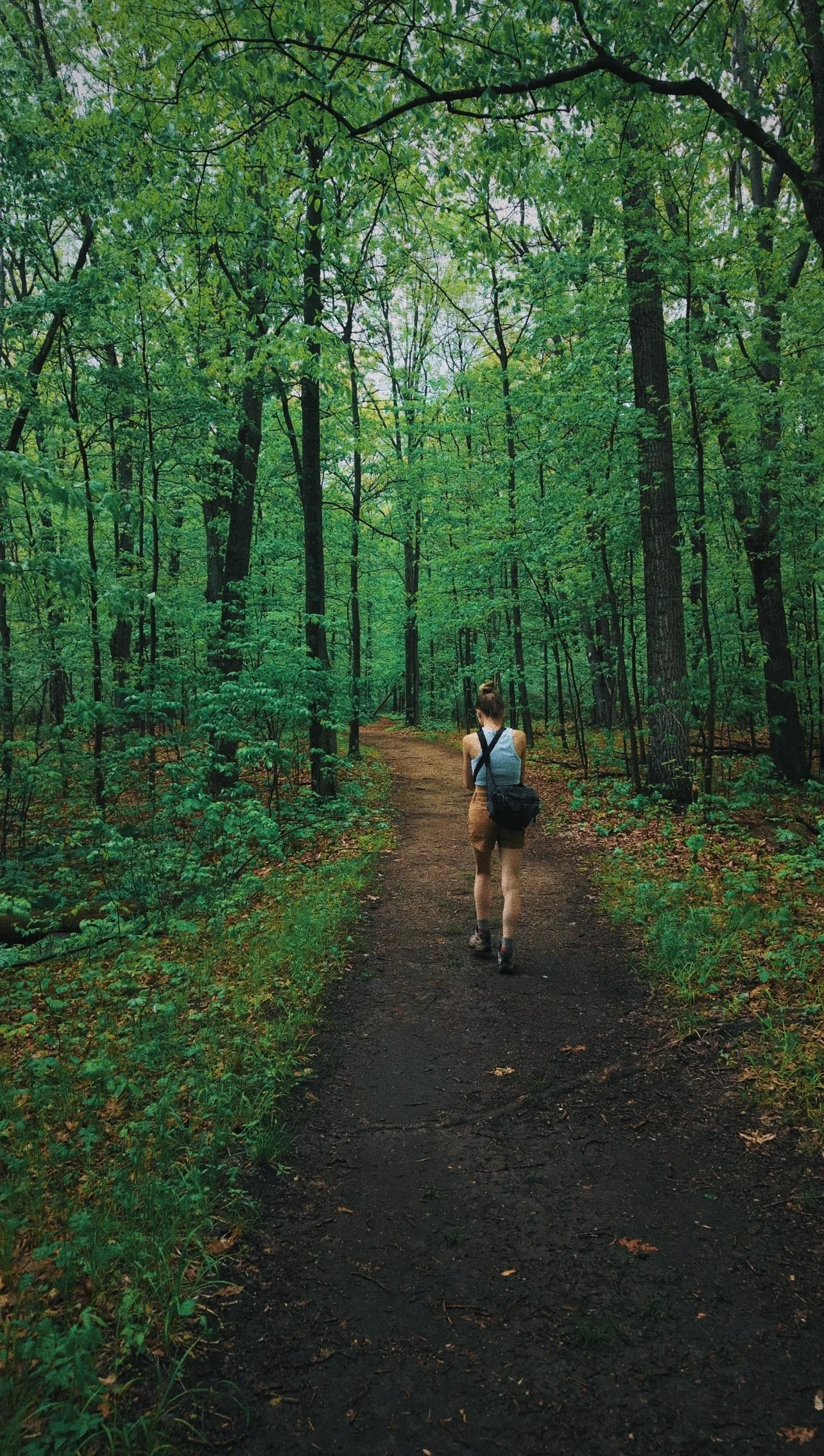
She told me she had noticed patterns in me that she thought we could explore together.
At first, I was terrified. I assumed she had seen something broken.
Instead, she had seen something protected. She looked at someone who had spent years surviving and saw light worth safeguarding—not darkness to be fixed.
She noticed how quickly I questioned myself after receiving feedback. How I searched every interaction for evidence that I had done something wrong. How difficult it was for me to simply receive something good without waiting for it to disappear. How much I took things personally and blamed myself. She could see that I wanted connection but was simultaneously protecting myself from it. How I performed instead of participated.
She later told me she had recognized pieces of herself in me.
Not because our stories were identical, but because our survival strategies were.
She taught me about the “fearful-avoidant” and the ways I had adapted to my unpredictable environment up until now.
She helped me understand that this fearful avoidance wasn't my identity. It was my nervous system doing exactly what it had been trained to do: assume rejection before connection, loss before love, failure before possibility. Once I understood that, I stopped asking, "What's wrong with me?" and started asking, "What is this part of me trying to protect?”
She helped me notice that my mind wasn't reacting to the present—it was reacting to memories. Constructive feedback felt like condemnation. Silence felt like abandonment. Kindness felt suspicious. Not because those things were true, but because they were familiar. Healing, I learned, wasn't convincing myself the world was safe. It was slowly teaching my nervous system that the present wasn't the past.
That changed something completely in me.
I was no longer asking myself “Who I am?” and instead, “Who am I when I’m not surviving?”.
I realized I was no longer fighting my past. I was fighting the belief that my past had already decided who I was allowed to become.
So that next day, I made a list of ways I could be more open to the possibility that this new environment would be safe enough to grow and prosper in.
I spoke up in meetings when I had something to share. I made an effort to connect with the team even if I felt like a burden or not enough. I led discussions and brainstorms. I asked for feedback instead of avoiding it. I took every opportunity to grow and learn more about myself and the way I work best. I chose to be honest even if I was worried it would upset people. I took more risks socially, deciding to go to a team outing even though it made me want to hurl.
And what I kept consistently finding as a result…she was right.
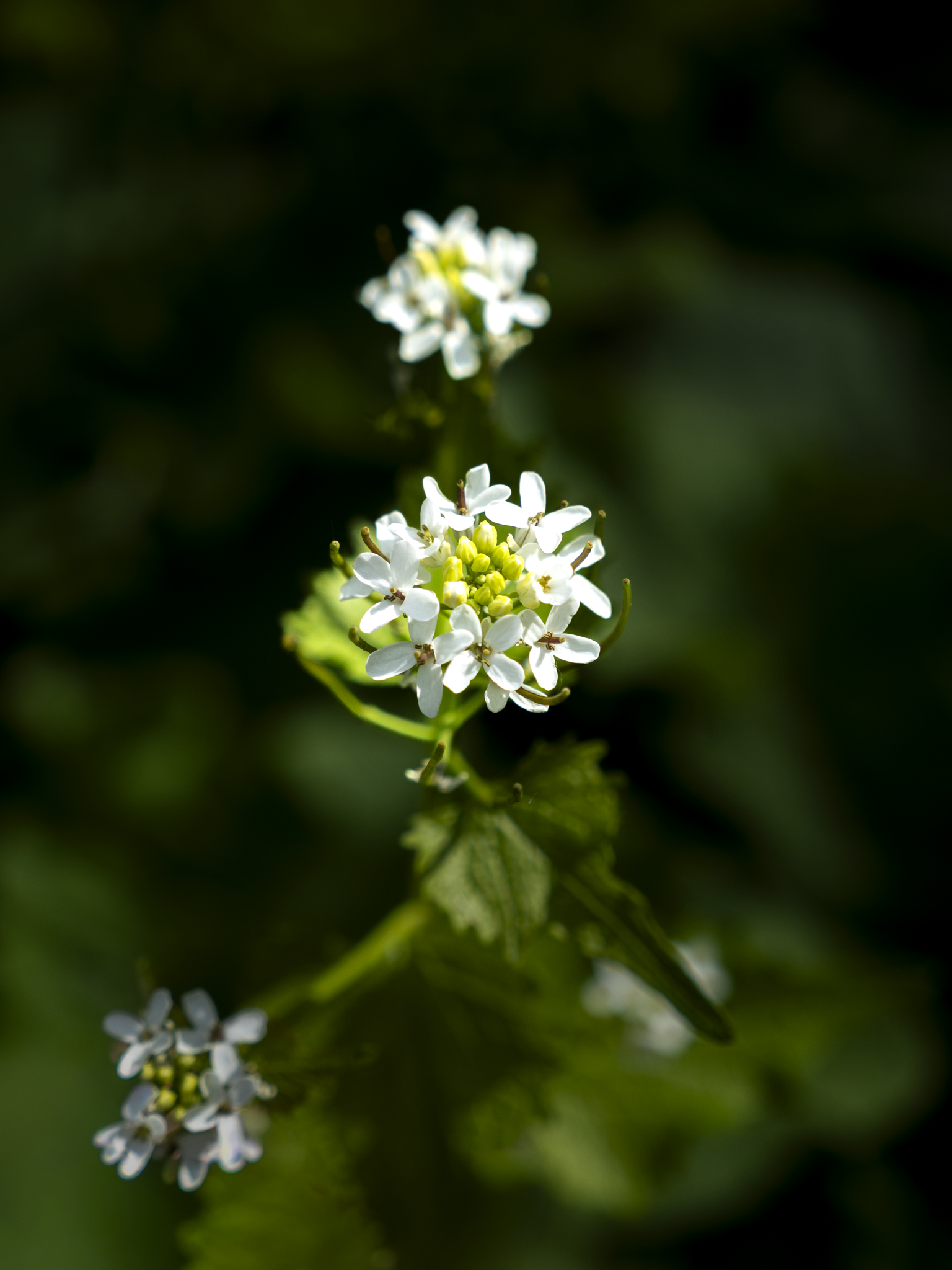
Slowly, I stopped treating my eighteen-year-old self like someone I still had to impress.
Instead, I began seeing her as someone I needed to love. Someone I needed to forgive.
For years, I wanted to go back and shake her—to warn her before everything happened. At the same time, I wanted nothing more than to hold her and tell her she was going to survive. I now also want to be able to tell her that I lived.
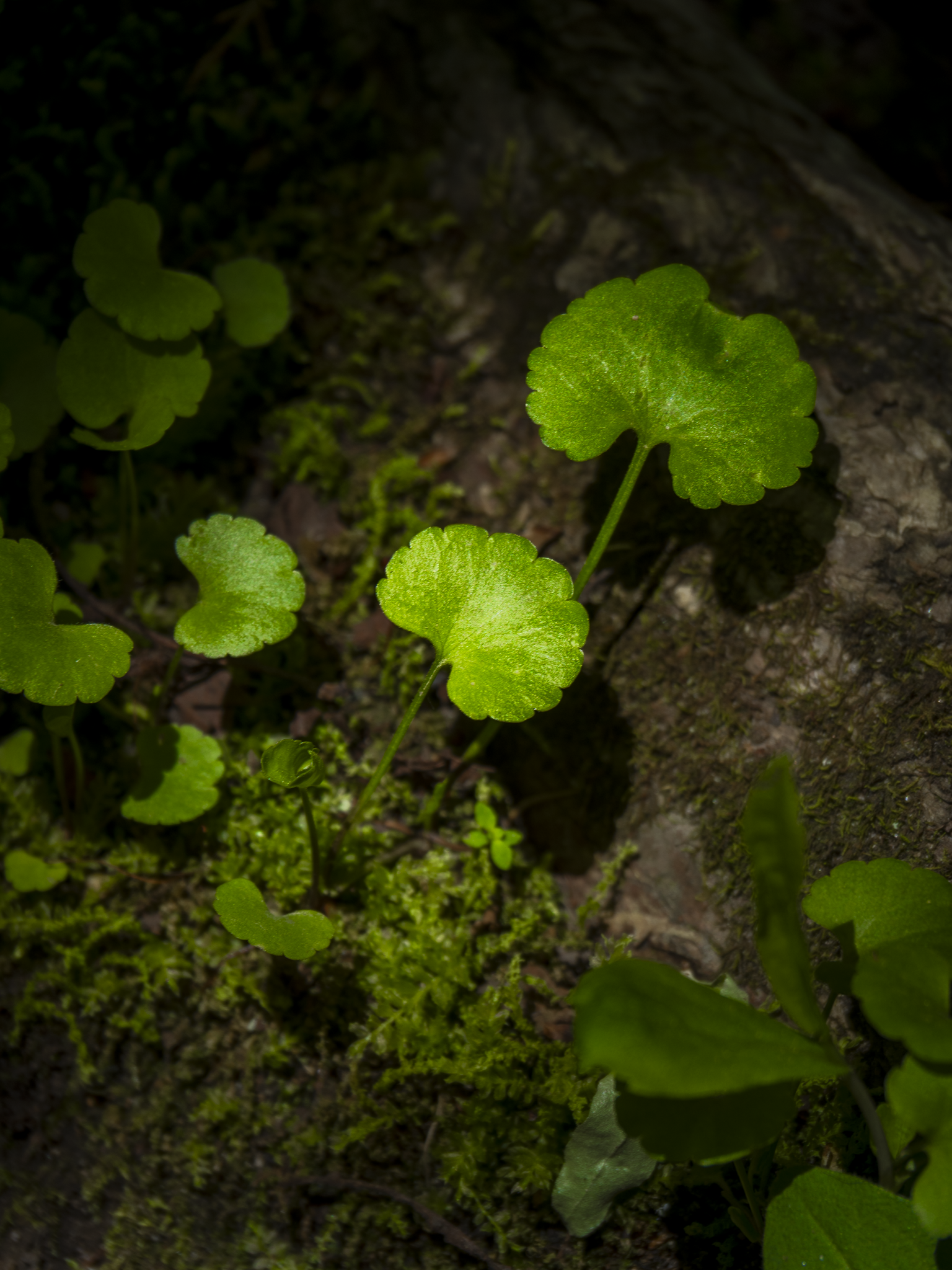
Recently, I've stopped trying to make sense of why certain things happened to me. I've stopped bargaining with the past.
I've accepted that none of it could have been prevented by becoming smarter, stronger, kinder, prettier, or more successful.
A child who is loved properly should never have to earn safety.
So now my responsibility is different. My responsibility is to love every version of myself.
The ambitious eighteen-year-old. The broken one. The fearful one. The one who survived. The one who had no idea who she was.
Because each version carried the next one forward. They didn't ruin me.
They brought me here.
And for the first time, I'm beginning to believe that becoming myself was never about finding the girl I lost.
It was about giving myself permission to become the woman she never got the chance to imagine.