The Art Of Being A “Fly On The Wall”
According to Wikipedia, to be a “fly on a wall” comes from “ the idea that events are seen candidly, as a fly on a wall might see them. In the purest form of fly-on-the-wall documentary-making, the camera crew works as unobtrusively as possible—”.
For me, it’s always meant much more than that.
Not only is it my favorite style of photography & videography but it is also the most “me”. I feel aligned with my creativity the most when I am not posing my subjects and instead, letting them roam free in their most natural state.
I want to start by giving an example of this from my own experience because I think it is important to also see how a style like this evolves and comes about in the first place.
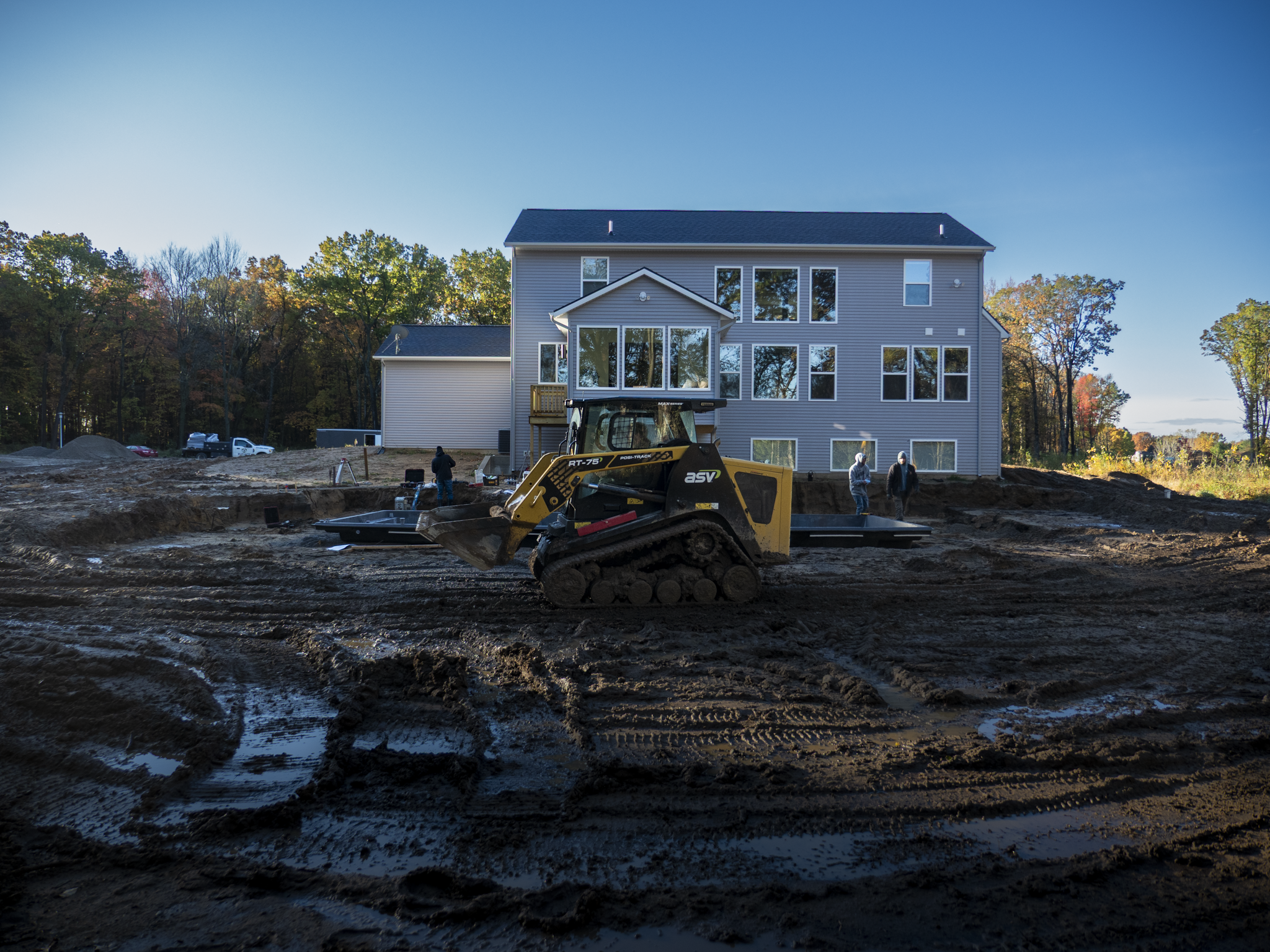
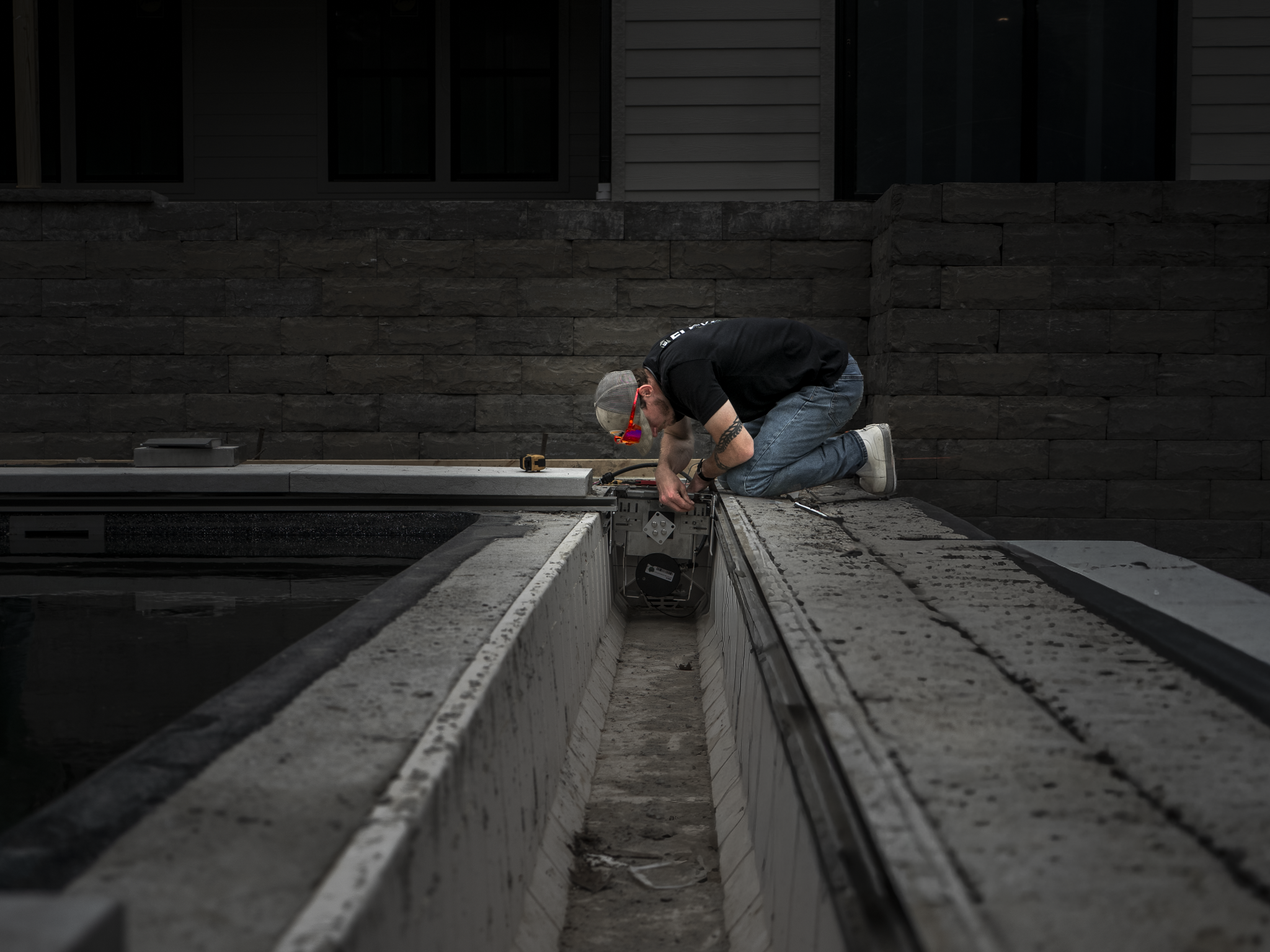
Almost a year ago, I got hired on as a content creator for an outdoor living/construction company. At first, I approached it the way I thought I was supposed to—capturing before and afters, on-site photos, timelapses, instagram stories. I was thinking about what would perform well, what would look polished, what people expect to see in this niche (also a niche that I knew nothing about).
But something felt… off.
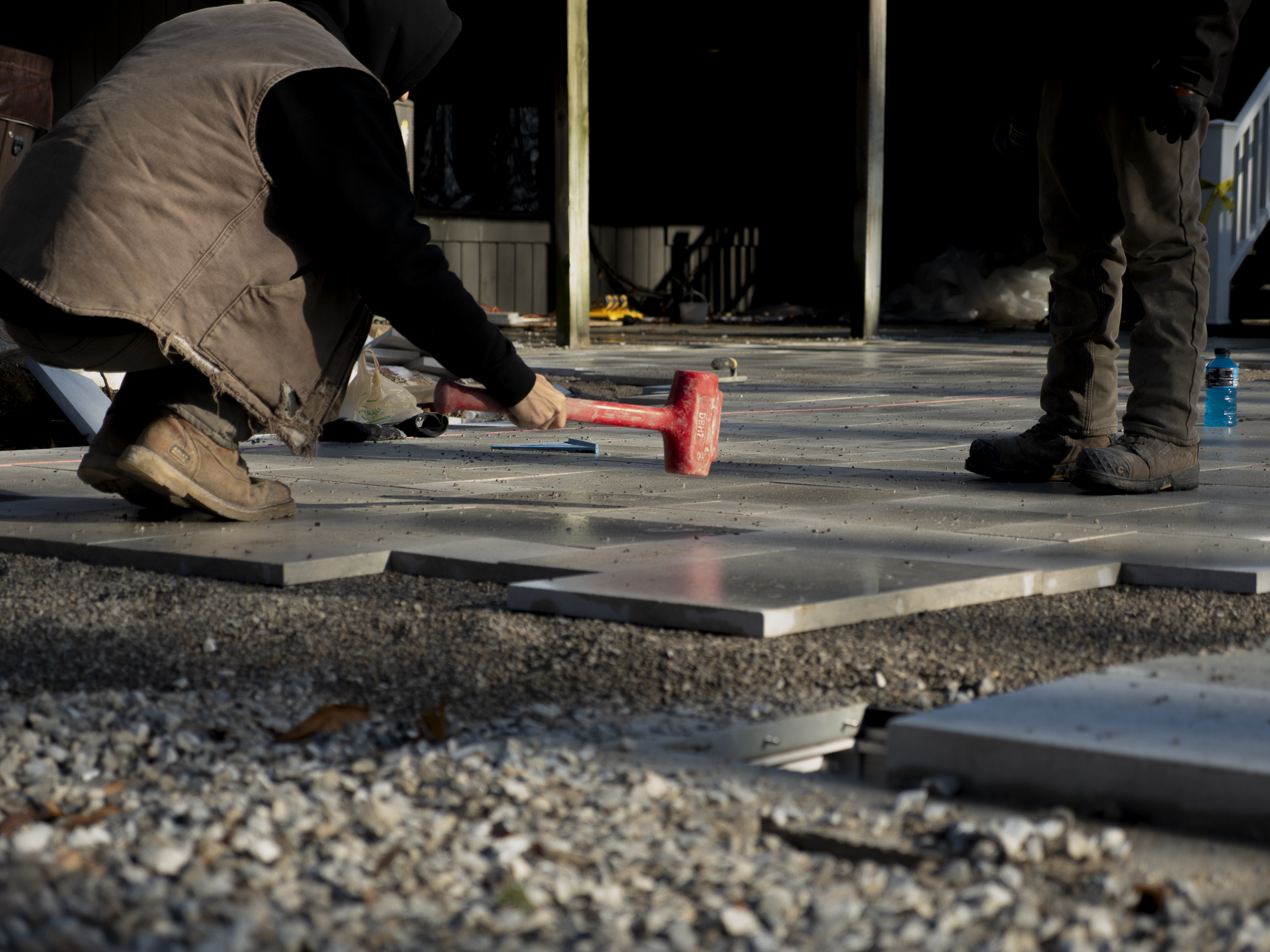
I found myself more drawn to the moments in between. The quick laugh between coworkers. The way someone stepped back to look at their work after placing the last paver. The rhythm of people just doing what they do.
Those were the moments I actually wanted to capture.
So slowly, without really realizing it at first, I stopped interrupting their flow.
And I just… watched.
I became the fly on the wall.
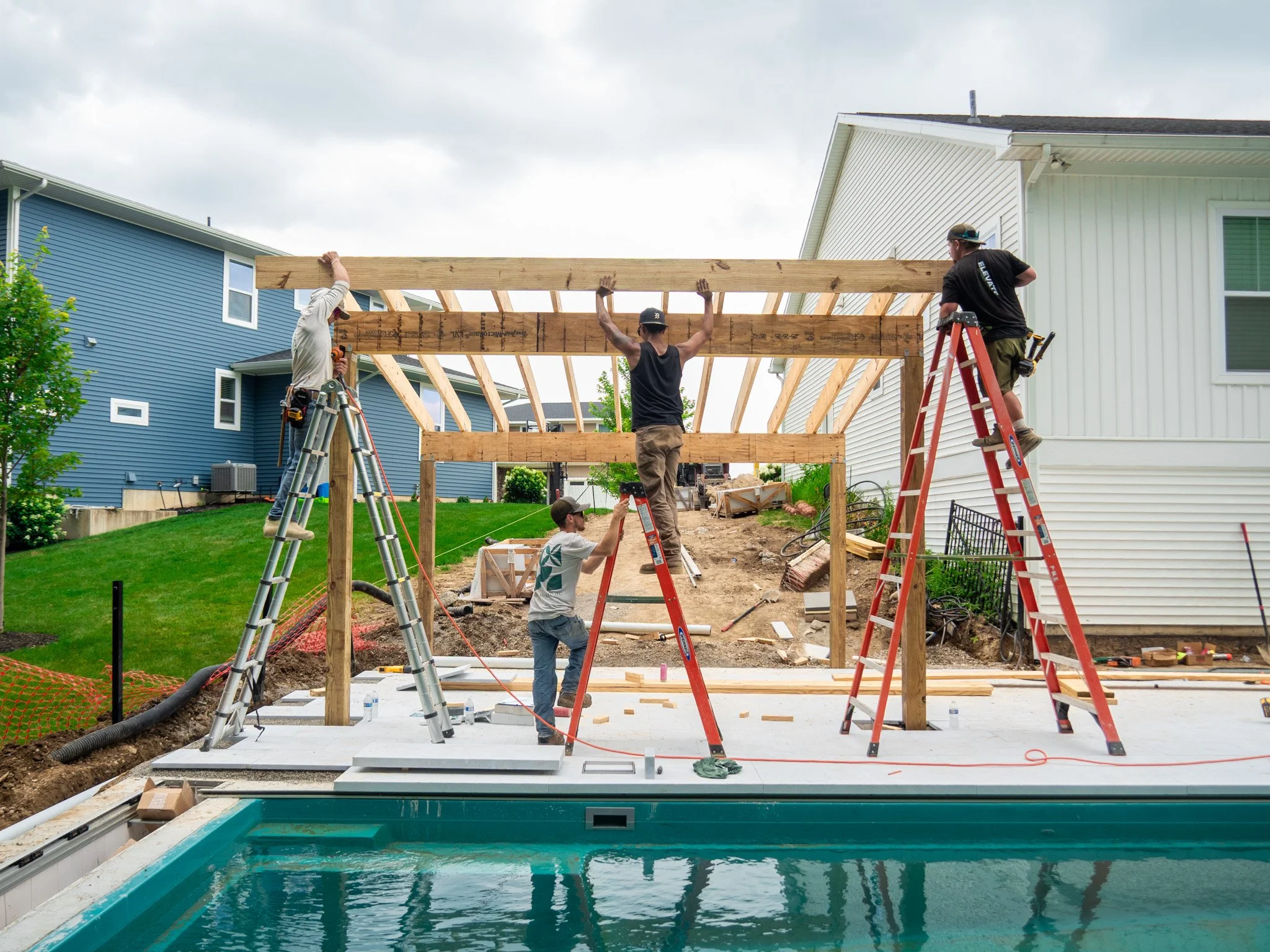
It wasn’t long before I was interconnected with the dynamics that were once foreign to me.
There’s something really honest about that role. It requires you to let go of control, which—if I’m being real—doesn’t come naturally to me. I’ve spent a lot of my life trying to manage how things are perceived. Trying to get it right. Trying to make sure I’m not doing too much or too little.
But this style asks the opposite of you.
It asks you to trust that what’s unfolding in front of you is already enough.
And not just enough—but meaningful.
YOU adapt, not your subjects.
So you have to be 1) present and 2) quick on your feet.
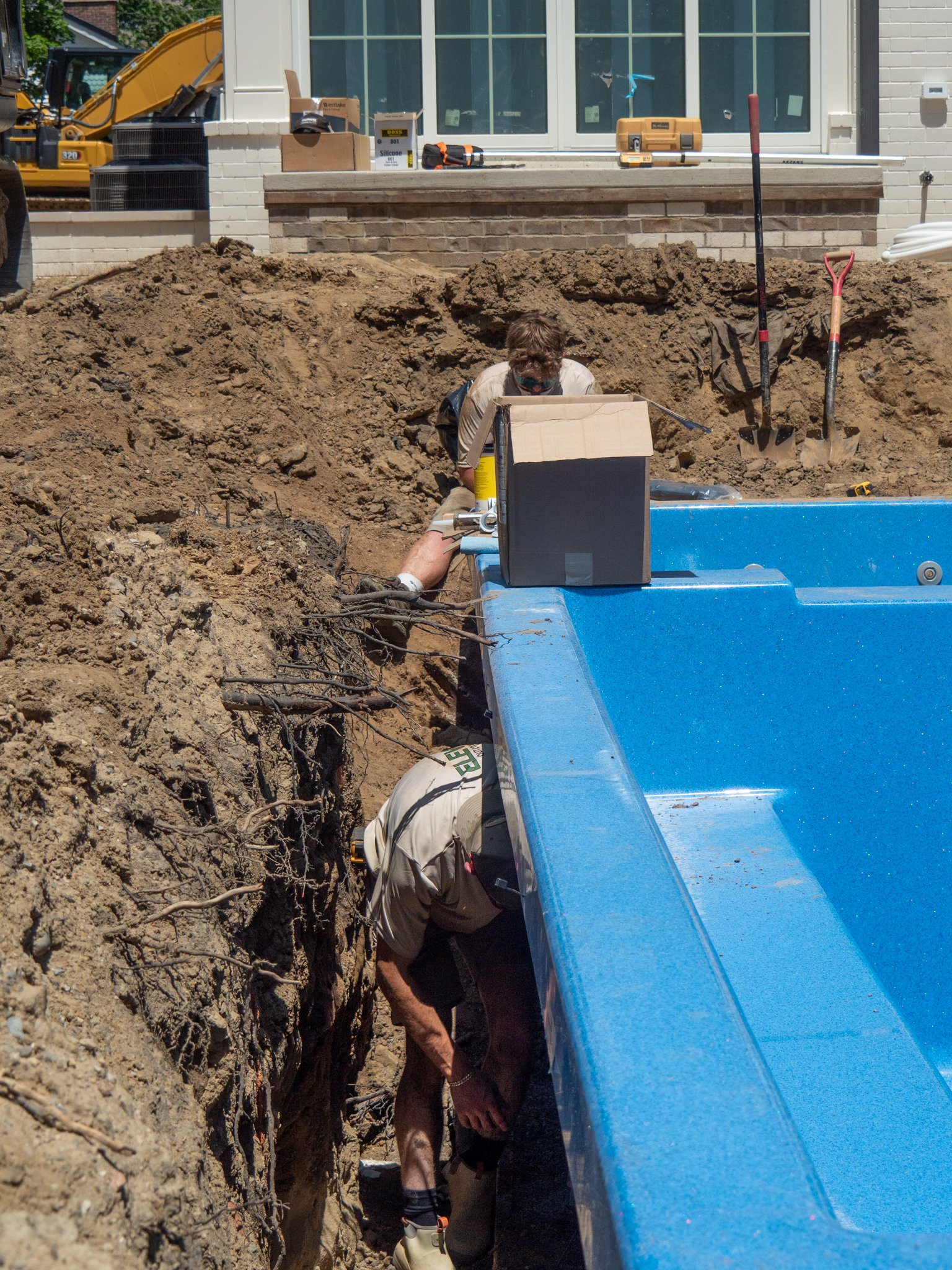
I think that’s why this style resonates so deeply with me, beyond just creativity.
Because it mirrors how I’ve moved through the world for most of my life.
Quiet. Observant. Taking everything in. Not always the loudest voice in the room, but the one noticing the subtle things others might miss—the shifts in energy, the small gestures, the in-between moments that actually say the most.
For a long time, I thought that part of me was something I needed to fix.
That I needed to be more outgoing, more direct, more seen.
But through photography and videography, I’ve started to realize… this is my strength.
Being a fly on the wall doesn’t mean you’re passive.
It means you’re present. In real time so that the audience can feel like they were there too that day.
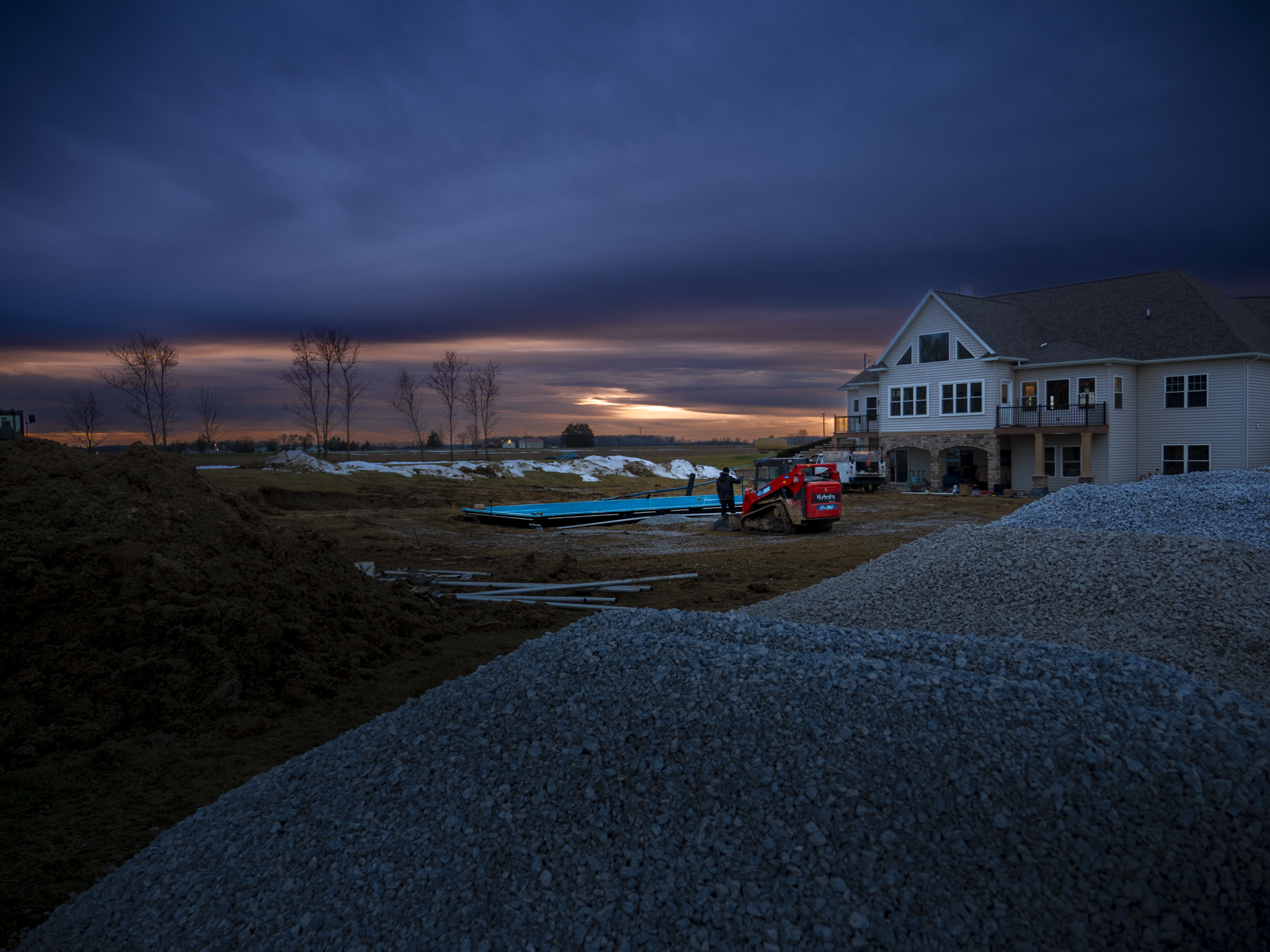
It means you’re tuned in enough to capture something real, without altering it.
And in a world where so much feels curated, filtered, and staged… there is something really powerful about that.
I think about this a lot in relation to my own life, too.
How often do we feel like we have to perform or say the right thing?
…and if we didn’t?
What if we let ourselves exist a little more like those unposed moments I’m drawn to capturing?
This style didn’t just shape the way I create—it’s shaping the way I’m learning to live.
Less trying to force a moment into something it’s not… and more trust that what’s already there is worth seeing.
So when I say being a “fly on the wall” means more to me, this is what I mean.
It’s not just a creative approach.
It’s a way of seeing & allowing.
A way of coming home to myself—quietly, honestly, and without needing to prove anything at all.